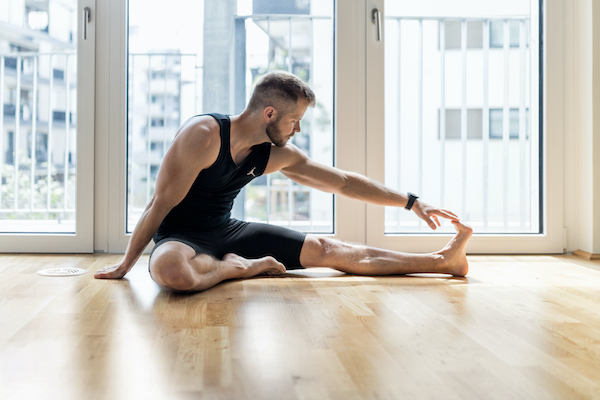

There are many different yoga poses, also called asanas, that can be included in a yoga practice. Some common yoga poses include:
- Mountain Pose (Tadasana): A standing pose that helps to improve posture and balance.
- Downward-Facing Dog (Adho Mukha Svanasana): A standing pose that stretches the entire back side of the body, including the legs, back, and arms.
- Warrior I (Virabhadrasana I): A standing pose that strengthens the legs and improves balance.
- Triangle Pose (Trikonasana): A standing pose that stretches the sides of the body and improves balance.
- Child's Pose (Balasana): A resting pose that stretches the back and hips.
- Plank Pose (Phalakasana): A pose that strengthens the arms and core.
- Cobra Pose (Bhujangasana): A pose that strengthens the back and improves flexibility in the spine.
- Headstand (Sirsasana): An inverted pose that strengthens the shoulders and core.
- Shoulderstand (Sarvangasana): An inverted pose that strengthens the shoulders and improves flexibility in the spine.
- Corpse Pose (Savasana): A resting pose that allows the body and mind to relax.
These are just a few examples of the many different yoga poses that are practiced. It's important to remember that every person's body is different, and it's important to listen to your own body and practice yoga poses that feel comfortable and safe for you.
Advanced Poses
There are many advanced yoga poses that can be included in a more advanced yoga practice. Some examples of advanced yoga poses include:
- Forearm Stand (Pincha Mayurasana): An inverted pose that requires balance, strength, and flexibility in the shoulders and core.
- Handstand (Adho Mukha Vrksasana): An inverted pose that requires balance, strength, and flexibility in the shoulders and core.
- Headstand Splits (Hanumanasana from Sirsasana): An advanced variation of headstand that requires flexibility in the legs and hips.
- One-Legged King Pigeon Pose (Eka Pada Rajakapotasana): A deep hip opener that requires flexibility in the hips and legs.